Showing posts with label Pharmaceuticals. Show all posts

Friday, July 13, 2018

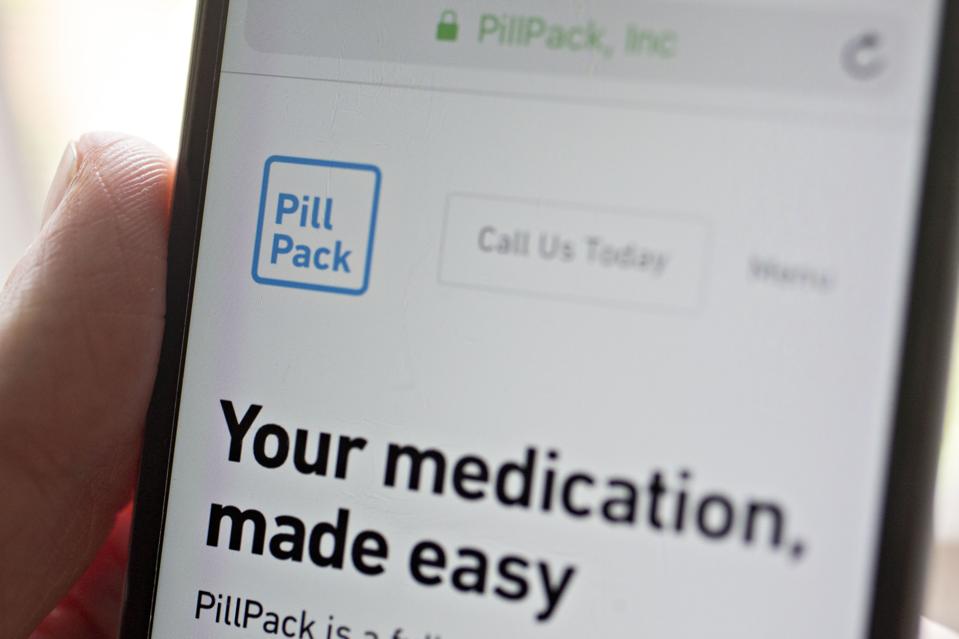
Amazon to Enter Prescription Pharmaceuticals Market with Purchase of PillPack


Image result for amazon pillpack

Amazon Inc. has been growing by leaps and bounds over the past couple of decades since it was first founded. What started as an online bookstore has since become a platform so broad that it can't really be classified as any one type of store. Especially over the past couple of years, Amazon has continued to expand into new areas as it consumes all kinds of different businesses. Whole Foods helped them to get a grip on the groceries industry, and various entertainment sources have allowed Amazon to build a sizable streaming platform. Most recently, according to a recent Bloomberg article, Amazon is looking to expand into prescription pharmaceuticals and has already begun to make a name in the generic drugs industry.

Amazon is such a large company that sells such a large quantity per day that it is able to easily lower item prices just enough to undercut competitors while still making a healthy profit. For every industry into which Amazon expands, there are dozens of brick-and-mortar chains losing business because many consumers choose the convenience of online shopping. Last August, Amazon introduced its line of generic drugs last August, and has since expanded from about 35 to 65 different products, all items that someone could buy at their local drugstore. The upshot is that the drugs Amazon is selling are not a store brand, which means the online retailer can charge much less, making the choice much more enticing to potential customers.

While Amazon already has better prices on over 70% their Basic Care products than the same products at local stores like Walgreens and CVS, those drugs are all non-prescription, which means that many consumers still have to go in to a physical pharmacist to pick up many of their medications. Many of those same customers would get their prescription drugs online if it were possible, where it could be shipped directly to their home without having to wait in long lines or deal with other customers at a brick-and-mortar store.

Well, those customers are in luck, since Amazon just announced that they will be purchasing a company called PillPack, a pharmacy company. Almost immediately after the announcement, the stock prices for companies like CVS dropped, likely correlated with investors' expectation that many consumers will choose Amazon over their local stores for filling prescriptions. Amazon may run into some legal snags when it comes to selling prescription drugs online, but it is very likely that very soon, you too will be able to get your prescriptions delivered right to your door (possibly with free delivery if included on Amazon Prime!).

***************************************************************************************************
Find out more about us at www.sepulvedaescrow.net. Any Questions? Contact our Escrow Expert! Sepulveda Escrow Corporation (818) 838-1831. Follow our company on Facebook, Twitter, LinkedIn, and Google+.
**************************************************************************************************

Friday, September 2, 2016

Prices Generally Unaffected by Increased Competition in the Pharmaceutical Industry


The laws of economics state that price is inversely proportional to competition. The more competition there is in an industry, the more options a potential customer has, which means the competitors have to lower their prices to draw in the customers. This phenomenon occurs especially in situations where the products being sold by different companies are similar enough to be interchangeable. For some reason, as investigated in Melody Peterson's L.A. Times article, that doesn't seem to be happening with pharmaceutical prices, even when there are many competitors.

To some extent, it makes sense that pharmaceutical manufacturers charge high prices for the prescription drugs and medical devices that they provide. It takes years and millions of dollars in research and development to create something new, which then has to spend years being tested by the Food & Drug Administration before it is finally approved for sale to the public. Often, by the time a medication has been approved by the FDA, there is only a small amount of time remaining on the patent. So, the developing company has only a few years in which to recoup their investment before other companies come out with generic versions.

The unfortunate aspect of that situation is that the medications and devices being developed are often necessary to cure or treat diseases. That can create an unfair situation: the creating company has the right to choose whatever price they want for their product, and the sick person has no choice but to pay it. That's what makes pharmaceuticals different from a normal product. If a computer company comes out with a new type of device that they have patented and decides to charge exorbitant prices for it, a customer has the choice to either pay the high price or move on without buying the new computer. It doesn't work that way with medicine. If a medication is highly priced, a sick person's only options are to pay the price or not be treated for their illness, which could lead to worse sickness or even death.

You would think that once a patent runs out, generic drug manufacturers would enter the market with a lower-priced product, thus giving customers a choice. The increased competition between the original manufacturer and all of the new generic providers should drive the price down, but it doesn't. Even generic drug producers have been coming out with exorbitantly priced medications. The price is usually slightly less than what a name-brand has it listed for, but nowhere near low enough to make it affordable or even justifiable. One example is a drug called ursodiol, which treats gallstones. The method of creating ursodiol was perfected decades ago, and all patents have run out. The ingredients are not very expensive, yet every drug company is charging somewhere around $5 per pill.

Analysts believe that drug manufacturers are defying the laws of economics for one simple reason: they can. When one company raises their price on a medicine, instead of lowering prices to gain greater demand, the competitors follow suit and raise their prices. In that way, the companies bring in more income, mainly at the cost of medical insurers, which leads insurance companies to charge higher premiums to customers. It's a cycle of rising costs with no end in sight. If a single company stood against the status quo and kept their prices at normal levels, the other companies would eventually have to either lower their prices or go out of business due to lack of demand.

Since none of the companies seem to be following economic principles and standing against the current, many are suspicious of the whole situation. Some fear that the medical suppliers have secretly formed a type of coalition or "trust," an incredibly illegal practice. The grand jury has subpoenaed some of these companies to find out if they had any communication with their competitors prior to making consistent price increases. Analysts believe that a trust could be the explanation as to why drug producers have successfully avoided the laws of economics from catching up to them. In time, a federal investigation may reveal the truth of the matter.

***************************************************************************************************
Find out more about us at www.sepulvedaescrow.net. Any Questions? Contact our Escrow Expert! Sepulveda Escrow Corporation (818) 838-1831. Follow our company on Facebook, Twitter, LinkedIn, and Google+.
***************************************************************************************************