Showing posts with label Consumer Fraud. Show all posts

Friday, October 5, 2018

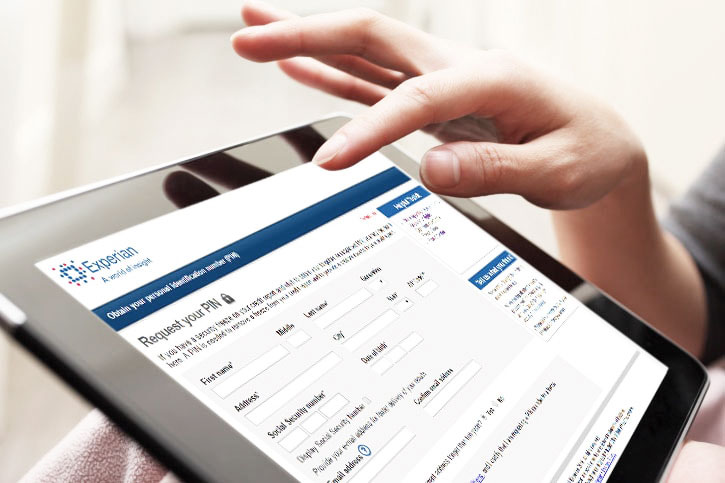
Experian Security Flaw Exposed PINs Needed to Unfreeze Credit Profiles


Image result for experian pin

With identity theft and consumer fraud constantly on the rise, every potential security breach is important for consumers to know about. All consumers, even those without credit cards, should constantly be prepared, and on the lookout for signs that they may be the targets of fraudulent activity. Recently, it was discovered that one credit reporting agency, Experian, had an overlooked security flaw that allowed criminals to access a consumer's PIN. According to Liz Weston's article, this failure of security has since been addressed, but for several hours this week, pretty much every person's credit profile was at risk.

If someone is the target of a cybercriminal and discovers that fraudulent activity has happened on their account, the first step they tend to take is freezing their credit so that more fraud can't happen in the time it takes to investigate the original fraud. This isn't an ideal solution, as some people who live paycheck to paycheck rely on their credit to survive, but overall, it's the best option currently available, as many consumers can go a few weeks without borrowing money from a lender or charging expenses to a credit card. In order to undo the freeze, to make the user's account accessible once the fraud issues have been cleared up, a user usually has to input a PIN code online and answer a few security questions.

This type of system, while convenient to the consumer who needs to unfreeze their credit as quickly and easily as possible, has its downsides too. The main issue with this system was revealed this week. In order to get into someone's account without their PIN code, a criminal would need to know certain financial information like name, Social Security number, date of birth, and street address (all of which can be purchased illegally through the dark web from criminals who had previously hacked companies like Equifax). Additionally, the hacker would usually have to also answer security questions that only the real user would know the answer to (name of a favorite teacher, favorite foods, etc). However, this Thursday, it was discovered that if a hacker (or any user, really) answered "none of the above" to the security questions (even if the correct answer was available to choose), the system would allow the unapproved user access, which could enable them to unlock a frozen credit profile.

Some users tested out the security flaw themselves to see if they could trick the system into giving up their PIN, and found that they succeeded quite easily. After broad public backlash, Experian announced this week that they were confident of the security of everyone's credit information, but is still working on making things even more secure to improve customer satisfaction. Late in the afternoon, users began to find that the security flaw had stopped working, a positive sign for worried consumers. However, as these issues keep arising and credit companies don't fix the security issues until after the fact, many consumers believe that the credit agencies don't have their customers' best interests at heart. However, there isn't much a consumer can do right now except be vigilant and keep insisting that credit agencies continue improving security.

***************************************************************************************************
Find out more about us at www.sepulvedaescrow.net. Any Questions? Contact our Escrow Expert! Sepulveda Escrow Corporation (818) 838-1831. Follow our company on Facebook, Twitter, LinkedIn, and Google+.
**************************************************************************************************

Friday, September 14, 2018

Vigilance is Key in Avoiding Consumer Fraud


Image result for consumer fraud

As the internet and computer-based technologies become more and more advanced, the strategies used by criminals evolve to keep up. Where once a criminal had to actively confront their victims to steal money or personal property, many criminals now use the internet to enable them to steal money and personal information from the comfort of their own home. However, it's a common misconception that cybercriminals are highly-skilled hackers who can crack your bank's encryption and empty your account. It's much more common for a criminal to attack through misleading or illegitimate emails that trick the target into giving up personal information.

Consumer fraud is commonly defined as "any instance in which an individual suffers a financial or personal loss because of unfair, deceptive, false, illegitimate or misleading business practices." In recent years, consumer fraud has tended to be focused on identity theft, Social Security fraud, and credit card fraud. Additionally, the targets of such scams tend to be individuals with little financial and life experience, like college students, or those who are not very technically-savvy, like the elderly. However, all demographics of the population have been successfully targeted by fraudsters.

The Federal Trade Commission (FTC) is the main agency that works to protect Americans from being defrauded by these criminals, and in recent years, the Consumer Financial Protection Bureau (CFPB) has also joined the fight, especially regarding mortgage scams, banking/wire fraud, and student loan scams. Their goal is to educate the more vulnerable consumers, to try to prevent the fraud from happening to begin with, but they also step in to help get things back on track for people who have unfortunately been targeted successfully.

There are several common methods of consumer fraud that you should learn to quickly recognize so that you can more easily avoid being defrauded in the future. One strategy is referred to as phishing. Basically, the cybercriminal sends you an email that appears to come from your bank or credit card company. The email will say something about your account being compromised or terms of service being updated, then will provide a link that seems to take you to the website where you can sign into your account. This webpage is actually a clever copy that just looks like the real webpage, so when you input your username and password, the cybercriminal records that information for later uses.

In other situations, the criminal gets ahold of your Social Security number (often through phishing attacks, but they sometimes use other methods), and they open up credit cards using your identity. Millions of Americans every year experience this kind of identity theft, and for the inexperienced or elderly, who don't know enough to keep track online, this attack can leave their credit score trashed for many years to come. Targets of identity theft often don't even find out that it has happened until much later, at which point their banks or credit card companies make them jump through all kinds of hoops to try to clear things up. One thing to note: no matter how careful you are with your cyber security and keeping your personal information private, you could be the target of a cyber attack. Being vigilant and suspicious in your online financial life can save you months of stress and frustration down the road.

***************************************************************************************************
Find out more about us at www.sepulvedaescrow.net. Any Questions? Contact our Escrow Expert! Sepulveda Escrow Corporation (818) 838-1831. Follow our company on Facebook, Twitter, LinkedIn, and Google+.
**************************************************************************************************